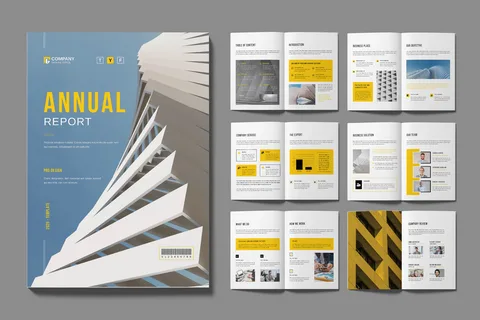
In modern business communication, annual report design is no longer just about presenting financial data. It has evolved into a strategic storytelling tool that reflects a company’s performance, vision, and credibility. A well-designed report helps businesses communicate complex information in a clear and visually engaging way, making it easier for stakeholders to understand value and progress.
H2: Why Annual Report Design Matters
Annual reports are often the most important document shared with investors, stakeholders, and partners. A strong design improves clarity, enhances professionalism, and builds trust. When information is presented in a structured and visually appealing format, it becomes more impactful and easier to interpret.
H2: Turning Data into Visual Stories
One of the core strengths of annual report design is its ability to turn raw data into meaningful visuals. Instead of long tables and paragraphs, designers use charts, graphs, and infographics to simplify financial performance. This helps readers quickly understand key insights without feeling overwhelmed.
H2: Importance of Brand Consistency
A successful annual report reflects a company’s identity. Consistent use of colors, fonts, tone, and imagery ensures the report aligns with the brand. This consistency strengthens recognition and reinforces the company’s professionalism and reliability.
H2: The Role of Storytelling in Reports
Modern annual reports are not just financial summaries—they are storytelling platforms. A strong narrative highlights achievements, challenges, and future goals. This approach makes the report more engaging and helps readers connect emotionally with the company’s journey.
H2: Layout and Visual Hierarchy
Effective annual report design relies heavily on layout structure. A clear visual hierarchy guides the reader’s attention to the most important sections first. Headings, spacing, icons, and typography all work together to improve readability and flow.
H2: Digital Transformation in Annual Reports
With increasing digital adoption, many companies are moving toward interactive annual reports. These digital versions may include animations, clickable charts, and embedded media. This enhances engagement and allows users to explore content more deeply compared to traditional printed reports.
H2: Accessibility and User Experience
Accessibility is a key part of modern design. Reports should be easy to read for all users, including those with visual limitations. Proper contrast, readable fonts, and structured formatting ensure that everyone can access and understand the content.
H2: Building Investor Confidence
A professionally designed annual report sends a strong message to investors. It shows transparency, attention to detail, and organizational strength. This can positively influence investor trust and long-term business relationships.
H2: Collaboration Behind Great Design
High-quality annual reports are the result of teamwork. Designers, financial analysts, and marketing teams must collaborate closely. While financial accuracy is essential, design ensures that information is communicated clearly and effectively.
Conclusion
In conclusion, annual report design plays a vital role in shaping how a company is perceived. It transforms financial reporting into a powerful communication and branding tool. Businesses that invest in strong design are better positioned to build trust, improve engagement, and communicate success effectively.
At Pepperit, we understand the importance of combining creativity with strategy to deliver professional annual report designs that truly reflect a brand’s identity and achievements.