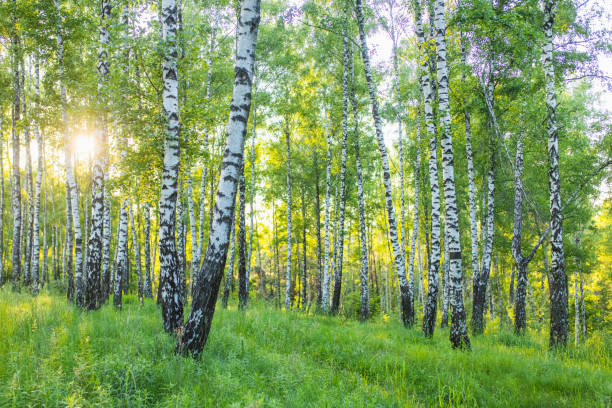
Birch trees Michigan landscapes feature are among the most beautiful and recognizable trees across residential and natural areas. Known for their striking white, yellow, or peeling bark and elegant structure, birch trees add year-round visual appeal and ecological value to properties. However, to keep them healthy and thriving, Michigan homeowners must understand their specific needs, challenges, and proper care practices.
Birch trees Michigan climate supports well are often found in both urban yards and forested areas. These trees are especially valued for their ornamental beauty and ability to grow quickly in suitable conditions. However, Michigan’s seasonal shifts—cold winters and warm, sometimes humid summers—can impact their growth, making proper care essential from planting to maturity.
Understanding Birch Trees in Michigan Landscapes
Birch trees are commonly known for their distinctive bark that peels in thin layers, revealing lighter inner wood beneath. This feature not only enhances their beauty but also makes them stand out in winter landscapes when most trees lose their visual appeal. In Michigan, popular species include paper birch, yellow birch, and river birch, each offering slightly different growth habits and tolerances.
Paper birch is especially well known in northern regions and is often recognized by its bright white bark. It is a fast-growing species but tends to have a shorter lifespan compared to other hardwood trees. Yellow birch, on the other hand, grows taller and lives longer, making it a strong choice for long-term landscape planning. River birch is highly adaptable and tolerates wetter soils, making it suitable for Michigan’s varied terrain.
Ideal Growing Conditions
For successful growth of birch trees Michigan homeowners should focus on site selection. These trees prefer cool, moist soil and perform best in locations where their roots can stay shaded and hydrated. Full sun to partial shade is ideal, depending on the species. Soil should be slightly acidic and well-drained, though river birch can handle heavier or wetter soils.
One of the most important factors in growing healthy birch trees is consistent moisture. Birch trees have shallow root systems, which means they can dry out quickly during hot or dry periods. Mulching around the base helps retain soil moisture and regulate temperature, reducing stress on the tree.
Planting Tips for Healthy Growth
When planting birch trees Michigan gardeners should ensure proper spacing from structures, driveways, and other trees. A distance of at least 20 to 30 feet is generally recommended to allow for root spread and canopy development. Digging a wide planting hole and avoiding deep burial of the root collar helps prevent long-term stress.
It is also important to avoid compacted soil, as birch roots need oxygen and space to grow. After planting, watering deeply and regularly during the first few years helps establish a strong root system. Adding organic mulch further supports moisture retention and reduces weed competition.
Common Problems and Care Challenges
While birch trees are visually appealing, they are also somewhat sensitive compared to other hardwoods. One of the most common issues affecting birch trees Michigan landscapes is pest infestation, particularly from borers that target weakened trees. Keeping trees healthy through proper watering and fertilization is the best prevention method.
Leaf yellowing, branch dieback, and peeling bark issues may indicate stress caused by drought, poor soil conditions, or disease. Regular inspection helps catch problems early before they become severe. Pruning should be done carefully and only when necessary, as excessive cutting can weaken the tree.
Seasonal Maintenance Tips
Seasonal care plays a major role in maintaining birch tree health. In spring, homeowners should check for damage caused by winter storms and remove any dead branches. Summer care focuses on maintaining moisture levels, especially during dry spells. Fall is an ideal time for mulching and preparing trees for winter stress.
During winter, birch trees enter dormancy, but they still benefit from protection against extreme temperature fluctuations. Wrapping young trees or applying extra mulch can help prevent frost damage and root stress.
Benefits of Birch Trees in Michigan
Beyond their aesthetic appeal, birch trees provide several environmental benefits. They support wildlife by offering food and shelter for birds and small animals. Their canopy provides shade, which can help reduce energy costs in residential landscapes. Additionally, birch trees contribute to improving air quality and soil stability.
Their unique bark texture and seasonal color changes also make them a popular choice for landscaping designs that aim for natural beauty and visual interest throughout the year.
Final Thoughts
Growing birch trees Michigan homeowners admire requires attention to detail, proper planting, and ongoing maintenance. While they can be more sensitive than some other tree species, their beauty and ecological value make them well worth the effort. With the right care approach, birch trees can thrive and enhance any landscape for years to come.
For professional guidance and tree care services, Longtree provides expert solutions to help maintain healthy and beautiful birch trees across Michigan landscapes.