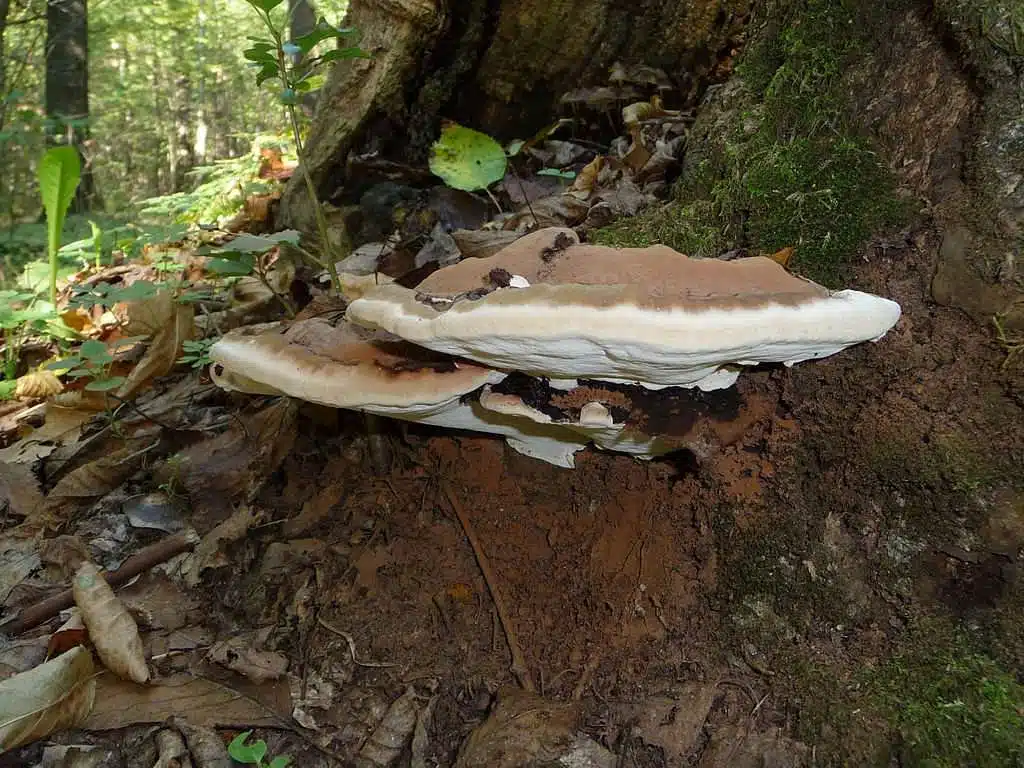
Tree mushrooms are a common sight in yards and landscapes, especially after periods of heavy rain or high moisture. The appearance of tree mushrooms often raises concern for property owners because they may indicate hidden issues within a tree’s structure. While not every mushroom is dangerous, their presence can sometimes signal internal decay or stress in a tree.
Understanding why these fungi appear helps you decide whether your tree is healthy or needs professional attention.
Why Tree Mushrooms Grow
Mushrooms are not plants but fungi that grow from an underground network called mycelium. This network feeds on organic material such as dead roots, decaying wood, or stressed tree tissue. When conditions become ideal—especially moist and shaded environments—mushrooms appear above ground as the reproductive stage of the fungus.
Trees naturally provide a rich source of organic matter, making them a perfect environment for fungal growth. After rainfall, humidity increases, and this often triggers mushroom formation around tree bases or roots.
What Tree Mushrooms Indicate
The presence of mushrooms near or on a tree does not always mean immediate danger, but it should not be ignored. In many cases, it suggests that fungi are actively breaking down wood inside or around the tree.
Common interpretations include:
1. Internal Decay
Many mushrooms feed on dead or dying wood inside the tree. When you see them at the base, it may indicate that the internal structure is weakening.
2. Root Problems
Mushrooms growing near roots can be a sign of root rot. This condition reduces a tree’s ability to absorb nutrients and stay stable.
3. Tree Stress or Damage
A tree under stress—due to drought, poor soil, or physical injury—is more vulnerable to fungal infection.
As fungi spread inside the tree, they slowly break down wood, often without visible symptoms at first.
Are Tree Mushrooms Always Harmful?
Not always. Some fungi are harmless decomposers that simply recycle dead organic matter in the soil. These types do not threaten living trees and may even contribute to soil health.
However, other fungi are parasitic and can weaken the tree over time. When mushrooms appear repeatedly at the same location, especially at the trunk base, it is usually a sign of ongoing decay.
Where You See Them Matters
Location is a key factor in understanding risk:
- Far from the tree trunk: Often harmless and related to soil organic matter
- At the base of the trunk: Possible root or structural decay
- On trunk or branches: More serious fungal infection and internal damage
Mushrooms at the base are especially important because they may signal hidden structural weakness inside the tree.
Why Moisture Plays a Big Role
Fungi thrive in damp environments. Excess watering, poor drainage, or prolonged rainfall creates ideal conditions for fungal growth. Once established, the underground fungal system continues expanding quietly while producing mushrooms only when conditions are favorable.
What You Should Do
If you notice mushrooms growing around your trees, consider the following steps:
- Check if mushrooms are recurring in the same spot
- Look for signs like cracks, leaning, or dead branches
- Avoid damaging roots with lawn equipment
- Improve soil drainage where possible
- Consult a tree care professional for inspection if mushrooms are near the trunk
Early evaluation helps prevent structural failure and long-term damage.
Final Thoughts
Tree mushrooms are nature’s warning signals that should not be ignored. While some are harmless, others point to hidden decay that can weaken a tree over time. Observing their location, frequency, and surrounding tree health is essential in determining the risk level.
For professional tree care, inspection, and safe management of fungal issues, rtectreecare provides reliable solutions to help protect and maintain healthy trees before problems become serious.